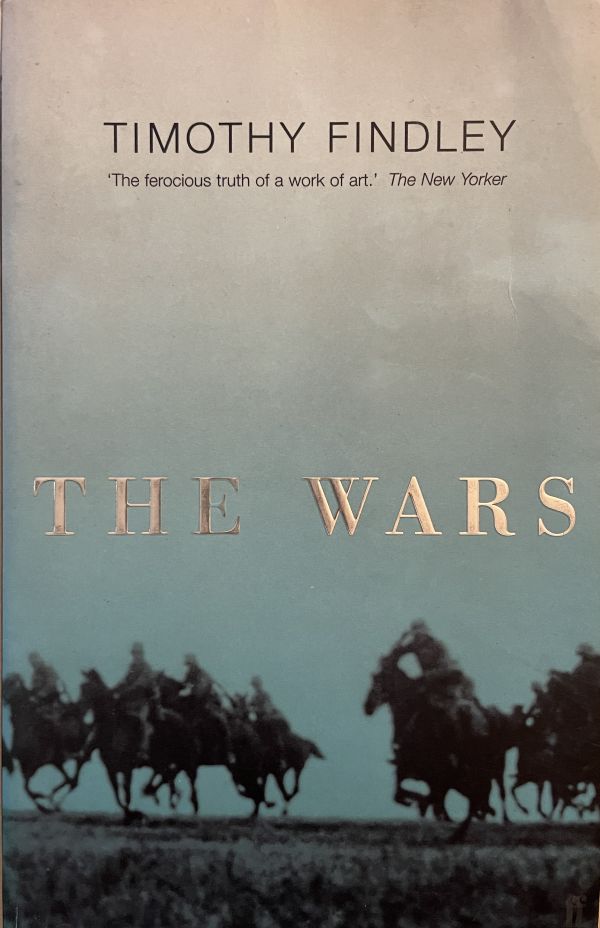

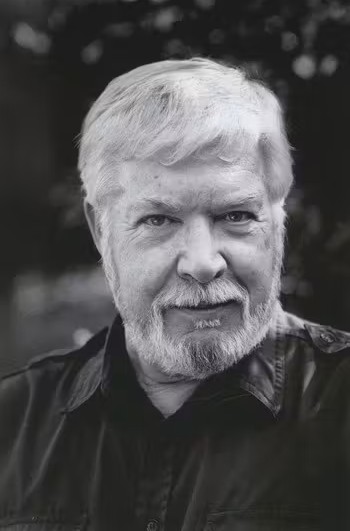
Timothy Findley’s The Wars is art. As a result, you might need a little time to contemplate it before fully appreciating it.
High Point: Findley utilizes unusual and rather fragmented devices to tell his story. And it all works.
Low Point: None
Author: Timothy Findley
Publication Date: 1977
Genre: Fiction – War
Timothy Findley’s The Wars is art.
As a result, you might need a little time to contemplate it before fully appreciating it.
Findley’s anti-war novel is brutal, but not due just to the graphic descriptions of the carnage. He continually plays with one’s emotions. For instance, he may throw in a rare bit of humor in the midst of the confusion and despair of the trench warfare of World War One.
Even during the brighter moments, he maintains a grim shadow that dampens the outlook. He does that partly by providing a spoiler at the beginning of the story that indicates it won’t end well, and it hangs over you as you progress through the book.
Findley utilizes unusual and rather fragmented devices to tell his story. In addition to the conventional narrative, some of the plot is shared through the recitation of a 12-year-old’s diary. Some comes through the reminiscences of the same woman decades later. Still more comes from an archivist who is gathering information about the novel’s protagonist.
And it all works.
The Wars illustrates the waste and misery of war, but more than that. In the very last chapter and the epilogue, Findley appears to allow a small bit of optimism to shine through—as if to say the human spirit can be stronger than the suffering brought on by the incompetence and greed of those who would bring war.
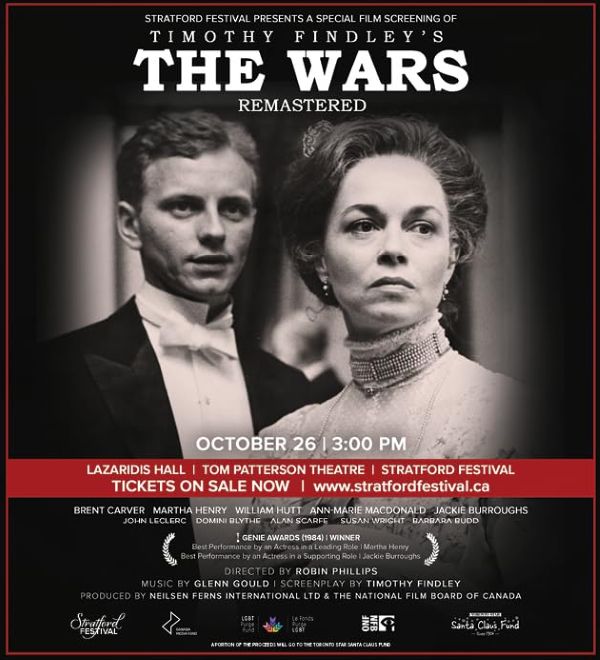
Movie/TV Adaptation
The Wars (1982)
Sources For This Book
Free eBook (Project Gutenberg): Not available
Free Audiobook (LibriVox): Not available
Available to Purchase: AbeBooks, Biblio, Thriftbooks
