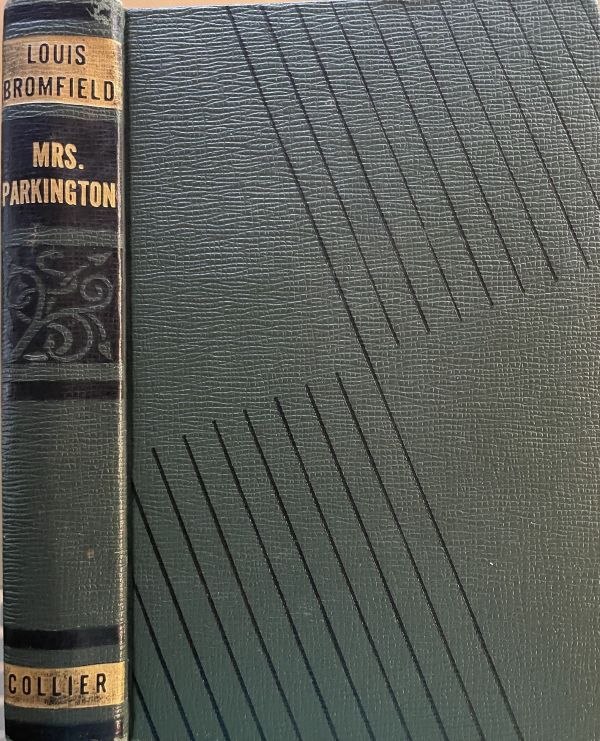

Mrs. Parkington is an absorbing novel that examines the effect of wealth and power on one family.
High Point: The book has as much relevance today as it did in the 1940s.
Low Point: The narrative gets a bit wordy and slow at times.
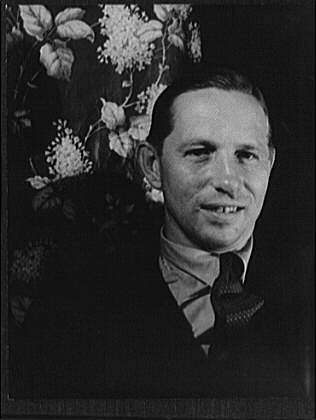
Author: Louis Bromfield
Publication Date: 1942
Genre: Fiction
“It’s classes and class feeling that are dangerous in a democracy. If ever our people congeal into classes, then our democracy is lost. Individuals may be as bad as they like without too much harm. It’s only when they gang up that they become dangerous.”
Mrs. Parkington, the matriarch of a very wealthy and powerful family, makes this statement about her late husband and her sketchy grandson-in-law. It’s a prophetic comment that has as much relevance today as it may have had in the 1940s.
Mrs. Parkington is an absorbing novel that examines the effect of wealth and power on one family—the matriarch who supported the man who built the family fortune and her descendants who inherited their wealth. The book supports the principal that the love of money is the root of all evil. And it skewers those with the belief that being rich and powerful excludes them from conformance to common social and community standards.
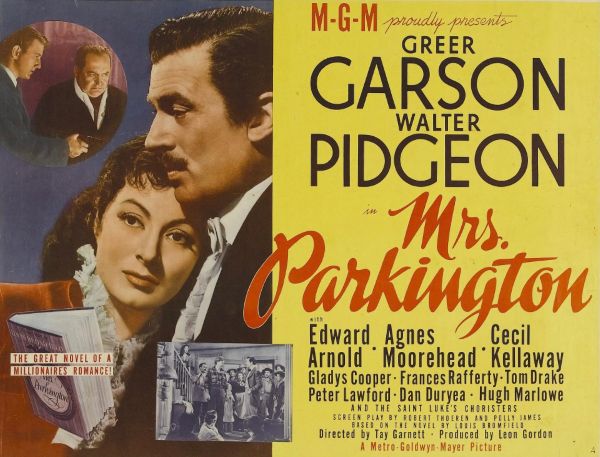
This is a book worth reading. Better yet, first watch the movie, Mrs. Parkington, starring Greer Garson and Walter Pidgeon. Then flesh it out with the book.
Movie/TV Adaptation
Mrs. Parkington (1944)
Sources For This Book
This book was purchased at Star of Texas Antiques in Palestine, Texas.
Free eBook (Project Gutenberg): Not available
Free Audiobook (LibriVox): Not available
Available to Purchase: AbeBooks, Biblio, Thriftbooks
