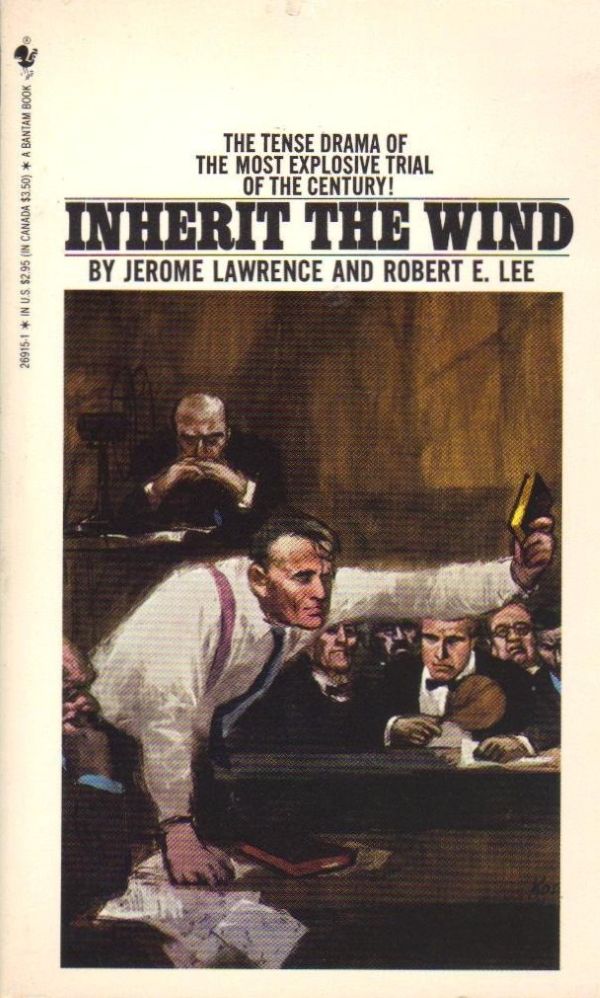

Resonating perhaps more today than it did when it was published in 1953, Inherit the Wind by Jerome Lawrence and Robert E. Lee is a courtroom drama pitting religious fundamentalists against science and intellectual freedom.
High Point: The dialog is riveting as the characters argue their differences.
Low Point: The play continues to have so much relevance even well into the 21st century.
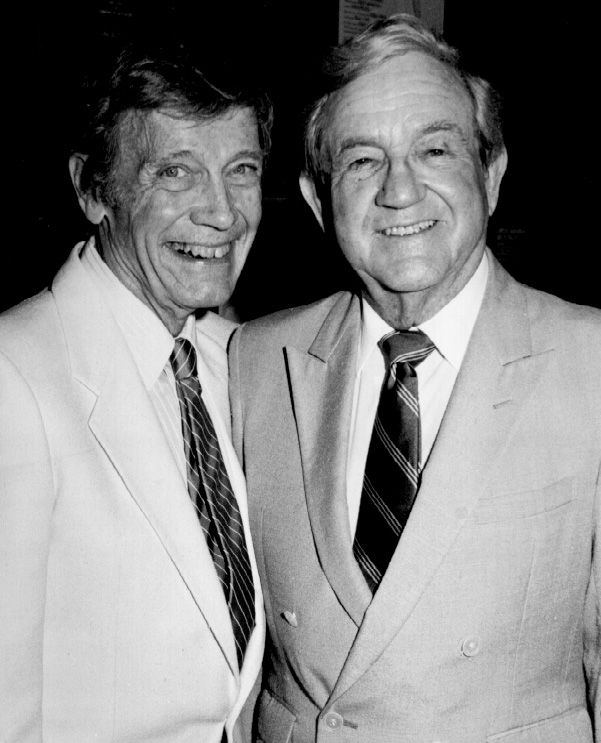
Authors: Jerome Lawrence & Robert E. Lee
Publication Date: 1953
Genre: Fiction
Listen to the audio version of this review
space
The Long Shadow of the Scopes Trial
Resonating perhaps more today than it did when it was published in 1953, Inherit the Wind by Jerome Lawrence and Robert E. Lee is a courtroom drama pitting religious fundamentalists against science and intellectual freedom.
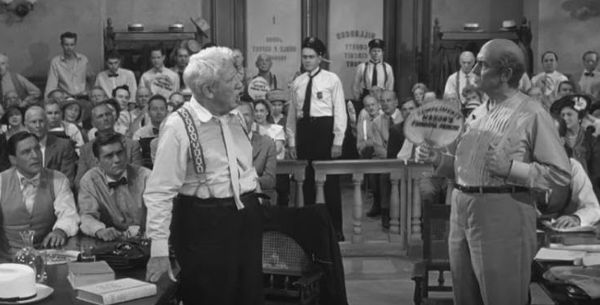
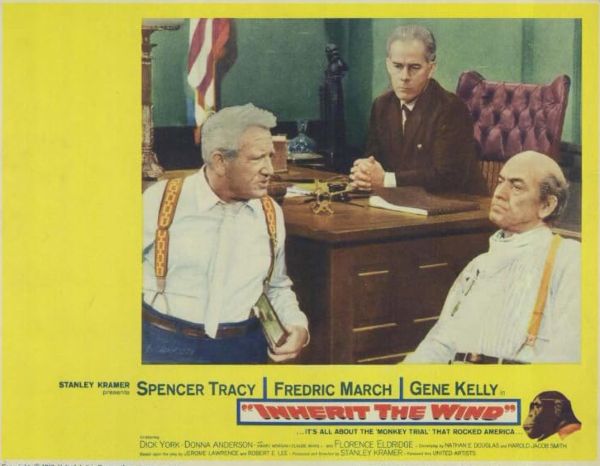
Most readers are likely familiar with the storyline of Inherit The Wind through the 1960 movie. A fictional account loosely based on the 1925 Scopes trial in Dayton, Tennessee, it was derived from the enforcement of the state’s legislation to forbid the teaching in public schools of the theory of evolution. Violators could be fined or imprisoned.
A Script for the Stage
The book is the script for the original stage production upon which the movie was based. The playwrights didn’t limit their story to actual events. They embellished them, changed the names of the key players, and even changed the town name from Dayton to Hillsboro.
But they constructed a compelling story—one that would have been told more effectively on the stage. In fact, a stage production of Inherit The Wind—based strictly on their script—would be something to see.
Their script describes a single elaborate set consisting of the courtroom in the foreground. The set then merges into the town courthouse square on an elevated level in the background. Scene changes are accomplished primarily through lighting. The writers explain, “It is important to the concept of the play that the town is visible always, looming there, as much on trial as the individual defendant.”
Fundamentalists vs. Progressives
The meat of the story, of course, is the presentation of two sides of the question posed by the defendant’s attorney: “…why did God plague us with the power to think?” Both sides—fundamentalists and progressives—frequently punctuate their arguments with rancor and bitterness with no room for compromise. A century after the Scopes trial, the tone feels uncomfortably familiar.
Initially, it seemed the writers were overly harsh with their portrayal of the Hillsboro community, its religious leader, and its famous guest prosecutor. But then we see today that school districts are banning books, and states continue to restrict what may be discussed in classrooms—even threatening fines or imprisonment for violators.
The 100th Anniversary of the Scopes Trial
As we pass the 100th anniversary of the Scopes trial, Inherit the Wind is a stark reminder that some facets of American society have not changed. The objects of their malice may have shifted from the Salem witches to the teachers of evolution to whatever it is they object to today. But as author Shirley Jackson once put it:
We might say that we have far more to be afraid of today than the people of Salem ever dreamed of, but that would not really be true. We have exactly the same thing to be afraid of—the demon in men’s minds which prompts hatred and anger and fear, an irrational demon which shows a different face to every generation, but never gives up his fight to win over the world.
That observation could serve equally well as the epilogue to Inherit the Wind.
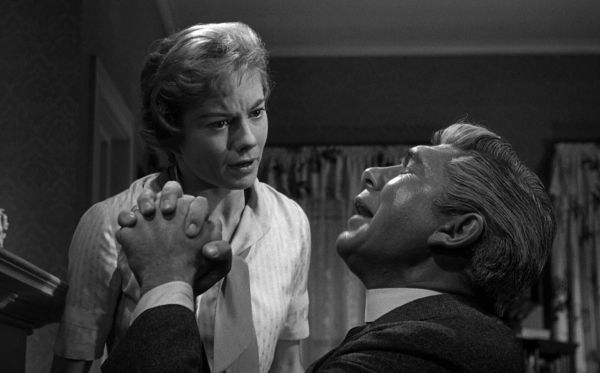
Quotes
| How do you write an obituary for a man who’s been dead thirty years? |
Movie/TV Adaptation
Inherit the Wind (1960); Inherit the Wind (TV Movie – 1965); Inherit the Wind (TV Movie – 1988); Inherit the Wind (TV Movie – 1999)
Sources For This Book
Free eBook (Project Gutenberg): Not available
Free Audiobook (LibriVox): Not available
Available to Purchase: Alibris, Biblio, Thriftbooks
Similar Books You May Enjoy…
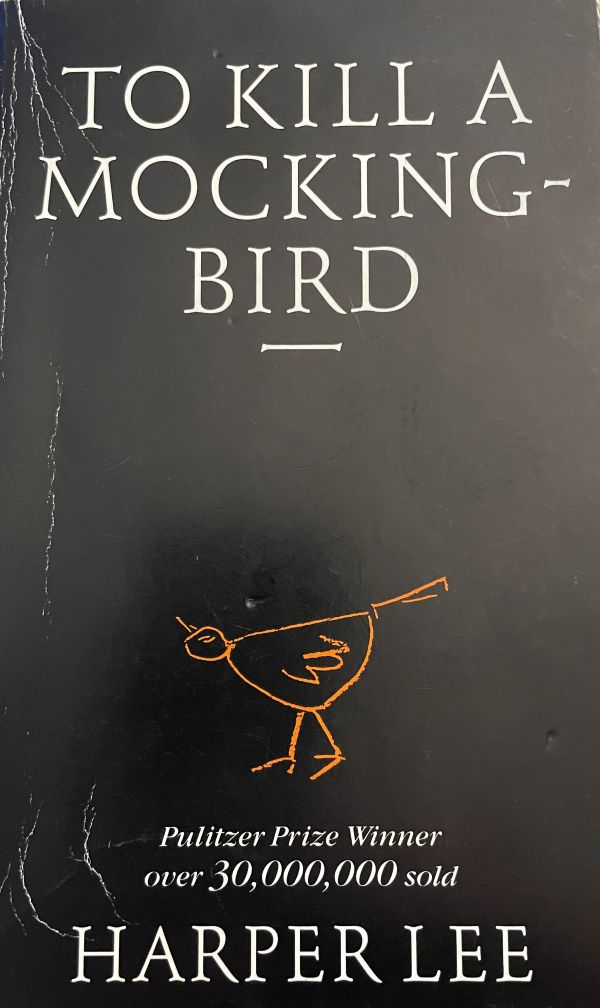
To Kill a Mockingbird (1960)
Harper Lee
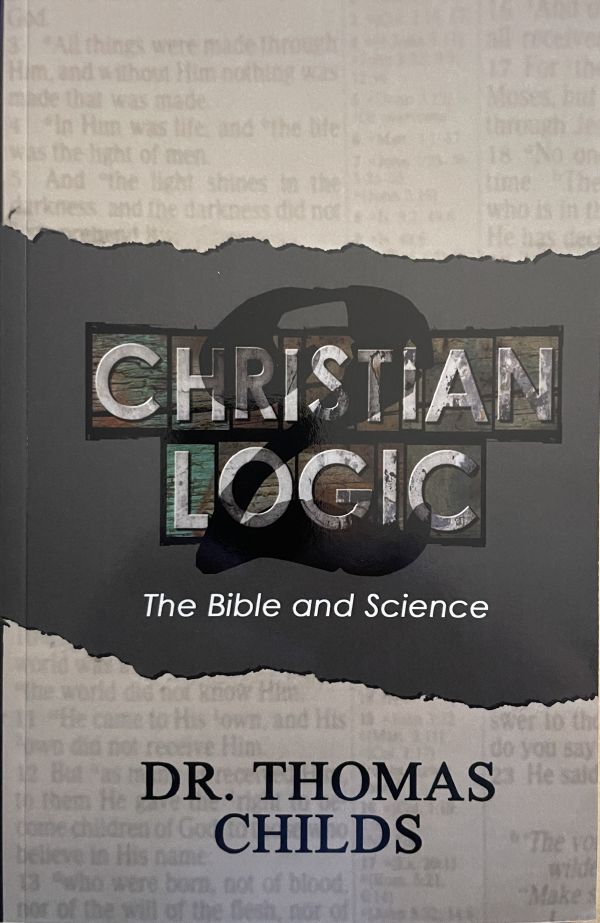
The Bible and Science (2014)
Thomas Childs
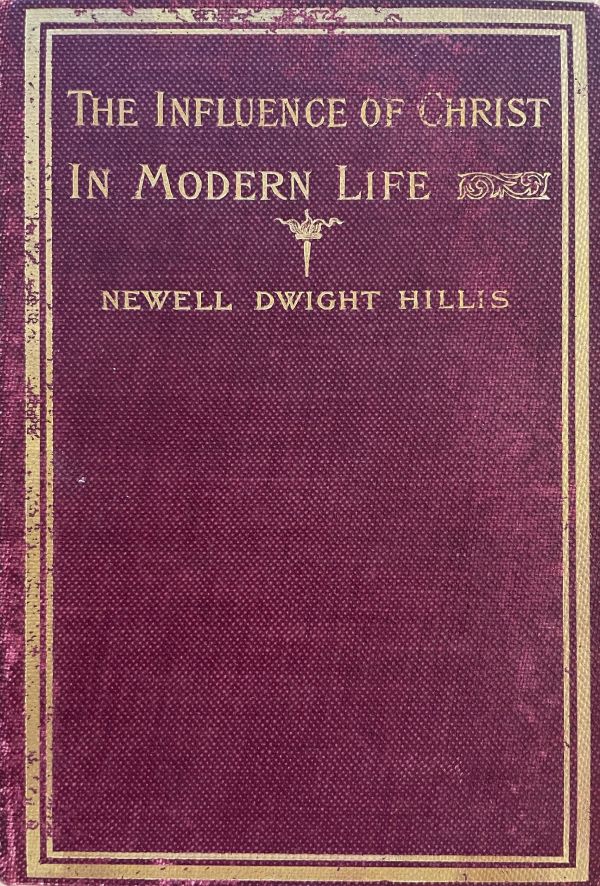
The Influence of Christ in Modern Life (1900)
Newell Dwight Hillis
The Calling of Dan Matthews (1909)
Harold Bell Wright