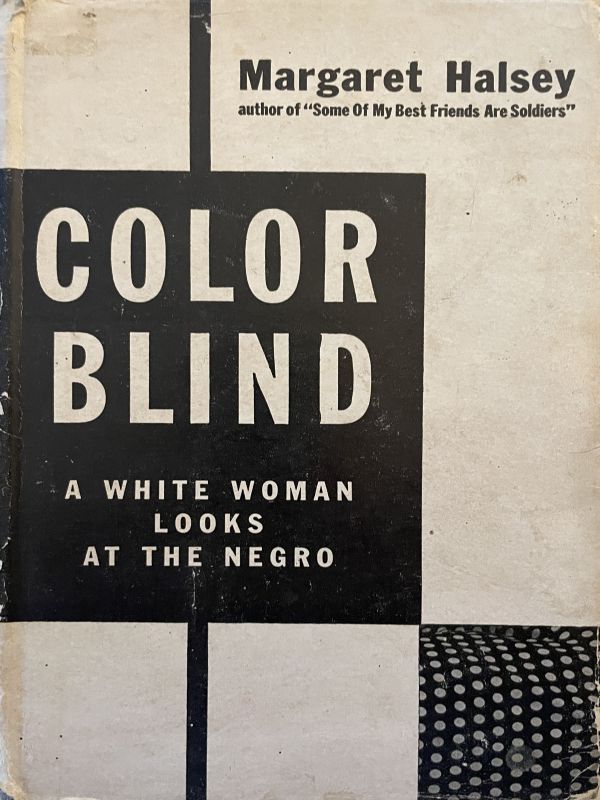

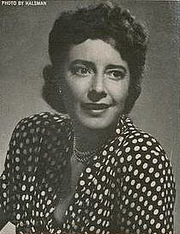
Twenty-first century readers can take heart at the progress made since the release of Color Blind about 80 years ago. But we might grieve a bit because those old attitudes remain so prevalent.
High Point: Halsey’s writing style–whether it’s her novels, memoirs or a deep dive into racial discrimination–paints pictures.
Low Point: Some of the arguments against integration are difficult to take.
Author: Margaret Halsey
Publication Date: 1946
Genre: Social Science
Banned Book (Georgia)
Listen to the audio version of this review
space
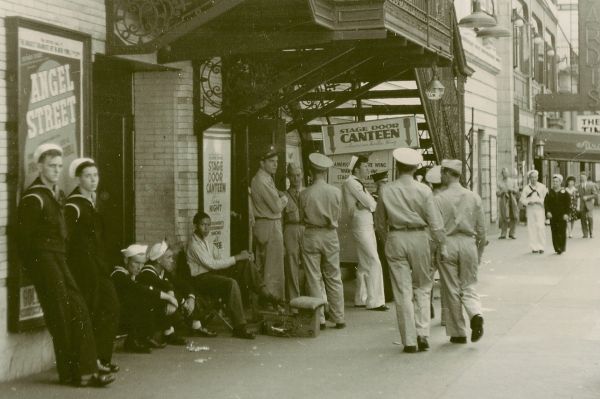
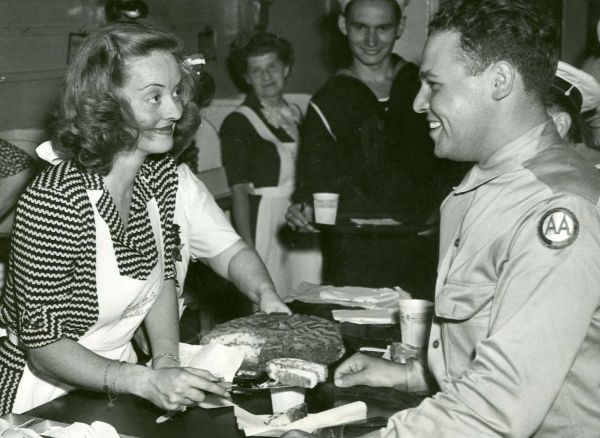
Color Blind: A White Woman Looks at the Negro by Margaret Halsey is a thought-provoking examination of race relations in the United States during World War II. First published in 1946, it’s a lessons-learned exercise drawn directly from Halsey’s implementation of a non-discrimination policy for a wartime canteen.
To the point of being repetitive, much of the book focuses on real-life incidents that occurred in the operation of the canteen. Halsey uses them to highlight recurring patterns of prejudice and resistance to integration. Then she takes those experiences and offers potential solutions. The solutions are a product of their time, and are a bit simple, but many still resonate and reflect challenges we continue to face today.
This book is a far cry from Halsey’s first book—With Malice Toward Some—a humorous best-selling memoir of a year spent in England. But it has similarities to her novel Some Of My Best Friends Are Soldiers where she includes instances of racism at a wartime canteen. Those occurrences were not the focus of that book, but Color Blind drills right in.
It’s interesting to note that, according to Halsey’s 1997 obituary in the New York Times, this book was banned in Georgia. That reaction underscores just how controversial—and threatening—its message was at the time.
Twenty-first century readers can take heart at the progress made since the release of this book more than 75 years ago. But we might grieve a bit because those old attitudes remain so prevalent—not just regarding race, but in the treatment of other marginalized groups as well.
Despite its age, Color Blind still offers lessons for us. One quote from the book stands out as fresh and relevant today as it was in 1946:
And when people shrink from competition and arrange matters so that they never have to compete, there is only one possible interpretation: those people are afraid they cannot win.
Readers interested in American history, social issues, or the evolution of race relations in the United States will find a compelling and still-challenging read in Color Blind.
Quotes
| The people who say you are not facing reality actually mean hat you are not facing their idea of reality. Reality is above all else a variable. With a firm enough commitment, you can sometimes create a reality which did not exist before. |
Sources For This Book
Free eBook (Project Gutenberg): Not available
Free Audiobook (LibriVox): Not available
Available to Purchase: AbeBooks, Biblio, Thriftbooks
