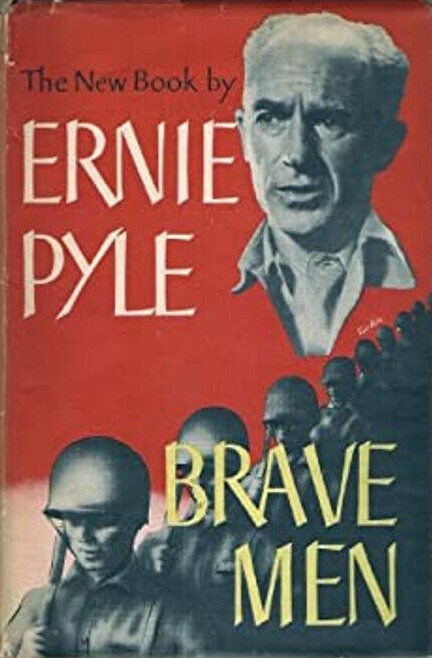

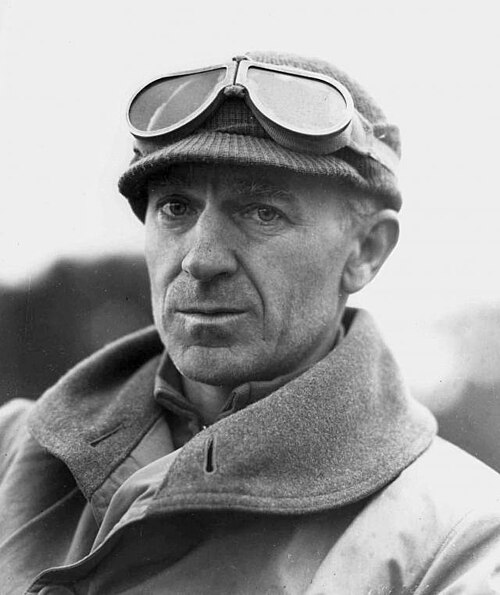
Brave Men is Ernie Pyle’s masterpiece about the extraordinary efforts of ordinary men and women in the fight against the Axis.
High Point: The stories are personal to the point they seem as though they happened to one of your neighbors.
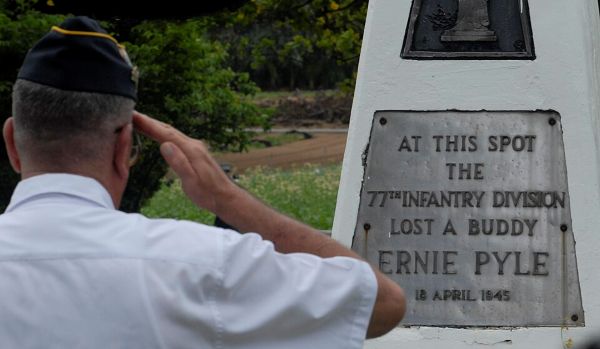
Low Point: Pyle was killed a few months after the publication of Brave Men.
Author: Ernie Pyle
Publication Date: 1944
Genre: History
Listen to the audio version of this review
space
The Extraordinary Efforts of Ordinary People
If you have ever marveled at the way in which the common American stepped up during World War II, Ernie Pyle’s Brave Men is an essential read. It’s a masterpiece about the extraordinary efforts of ordinary men and women in the fight against the Axis.
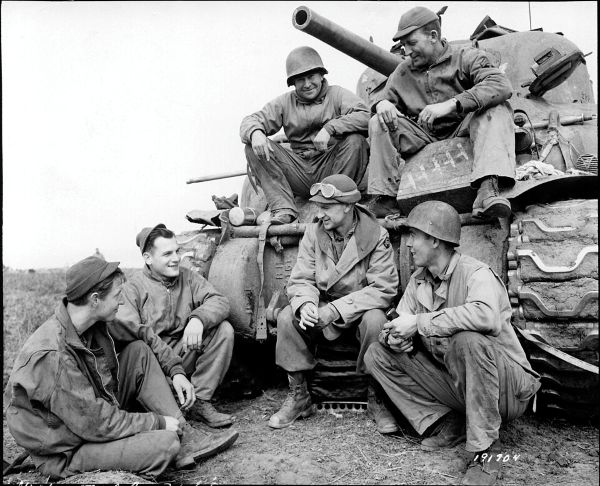
This book describes events in Europe beginning with the invasion of Sicily and going through the liberation of Paris. There is little mention of overall military strategy or management of the war. Instead, Pyle focuses on the citizen soldiers, sailors, airmen, and medical personnel—describing their day-to-day existence as they fought, attempted to stay alive, and worked to maintain their sanity.
The stories are personal. Pyle lets you know what they did for a living before they left home to fight the war. For many, he even lists their home addresses. One can’t resist finding those houses on Google Earth. The sight of the houses where these men and women lived makes their stories seem as if they happened to one of your neighbors.
Pyle also shares his own experiences and worries. He describes getting accidentally attacked by American bombers during the Normandy invasion. He talks about his fear of snipers. There is pathos in reading these passages knowing that Pyle himself was killed by a sniper in the Pacific just months after this book was published.
Captain Waskam
All the accounts are fascinating. Some are funny. Others are intensely poignant such as the story of the death of Captain Waskam. Pyle describes how some of the men in the Captain’s unit came to say good-bye, and ends the account with this excerpt:
“Then the first man squatted down, and he reached down and took the Captain’s hand, and he sat there for a full five minutes holding the dead hand in his own and looking intently into the dead face. And he never uttered a sound all the time he sat there. Finally, he put the hand down. He reached up and gently straightened the points of the Captain’s shirt collar, and then he sort of rearranged the tattered edges of his uniform around the wound, and then he got up and walked away down the road in the moonlight, all alone.”
Movie/TV Adaptations
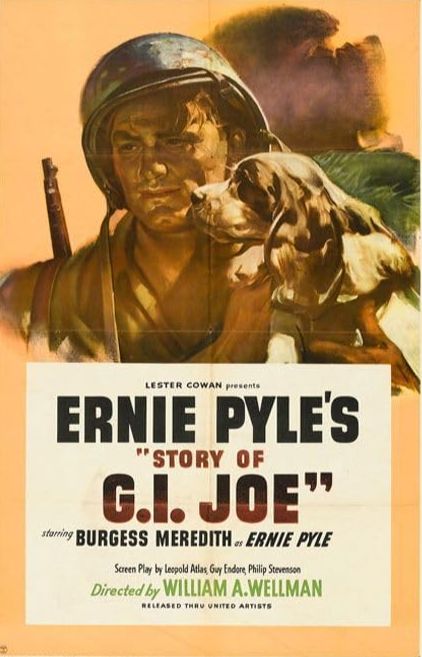
Story of G.I. Joe (1945)
Sources For This Book
Free eBook (Project Gutenberg): Not available
Free Audiobook (LibriVox): Not available
Available to Purchase: AbeBooks, Biblio, Thriftbooks
