
“America was not founded by cowards, and it will not be saved by cowards.”
High Point: Faulk’s portrayal of his surprise and disillusionment with CBS and AWARE is intimate and effective.
Low Point: The heavy reliance on court transcripts can be rather tedious.
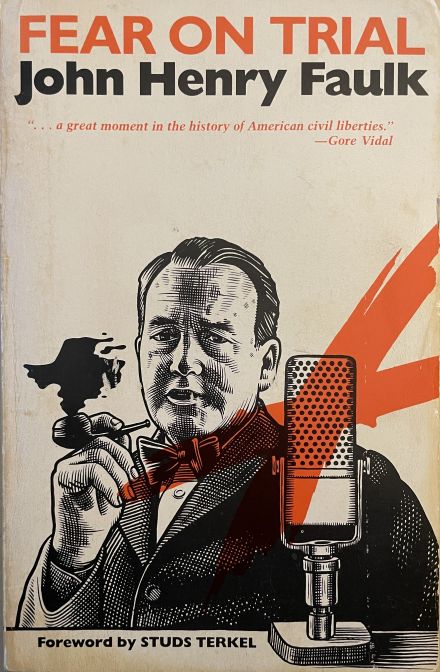
Author: John Henry Faulk
Publication Date: 1963
Genre: Social Sciences
Listen to the audio version of this review
s
America was not founded by cowards, and it will not be saved by cowards.
In Fear On Trial, John Henry Faulk offers this paraphrase of a remark by American journalist Elmer Davis as part of his motivation to confront social vigilantes during the McCarthy era.
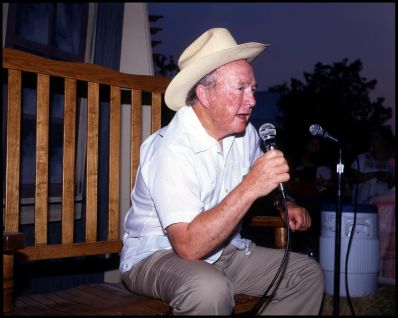
Faulk was emerging as a popular New York radio and television personality until false accusations by a radical right-wing organization called AWARE resulted in his termination from CBS. Because he was subsequently blacklisted, he was unable to find employment for several years during what should have been the prime of his career.
Fear On Trial describes Faulk’s struggles during the blacklist period and then his eventual decision to fight back through the courts. In 1962, a jury awarded damages of $3.5-million—the largest libel judgment in history at that time—although an appeals court eventually reduced it to $500,000.
Faulk has an easy-going conversational style, but he relies heavily on transcripts from the trial. Although they certainly tell his story, the transcripts often come across as dry and impersonal—slowing the book’s momentum.
Even so, this is a positive story about the value of truth and the culpability of those who deliberately abandon truth to achieve their own personal or political ends. It’s a cautionary tale from America’s past that, sadly, has become increasingly relevant today.
Fear on Trial will be of interest to any reader concerned with civil liberties, media ethics, and the enduring consequences of instilling fear into politics.

Quotes
| …[Daddy] knew that many forces in our society made it possible for him to come from the life of a sharecropper to that of a comfortable and enlightened citizen, and he felt because he had been successful in his climb, that he had a lifelong obligation to assist others who were less fortunate than himself. One of his favorite themes was: “Jesus said, ‘As you do unto the least of these, ye do unto Me,’ and in a democracy like America, Johnny, as we do unto our least privileged citizen, whether he’s Catholic, Jew, or Protestant, Native or foreign born, Negro or white, you do unto America.” |
Movie/TV Adaptation
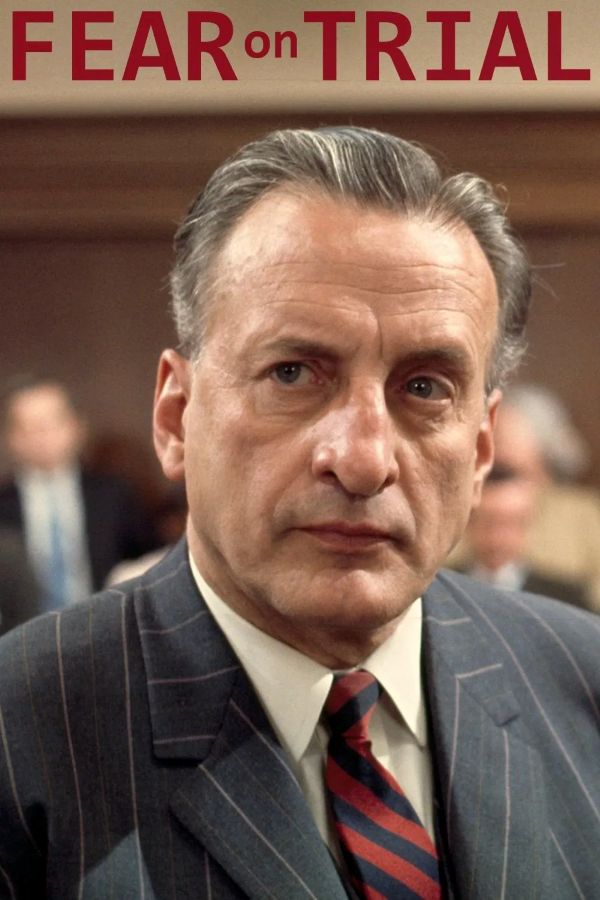
Fear On Trial (1975)
Sources For This Book
Free eBook (Project Gutenberg): Not available
Free Audiobook (LibriVox): Not available
Available to Purchase: AbeBooks, Biblio, Thriftbooks
