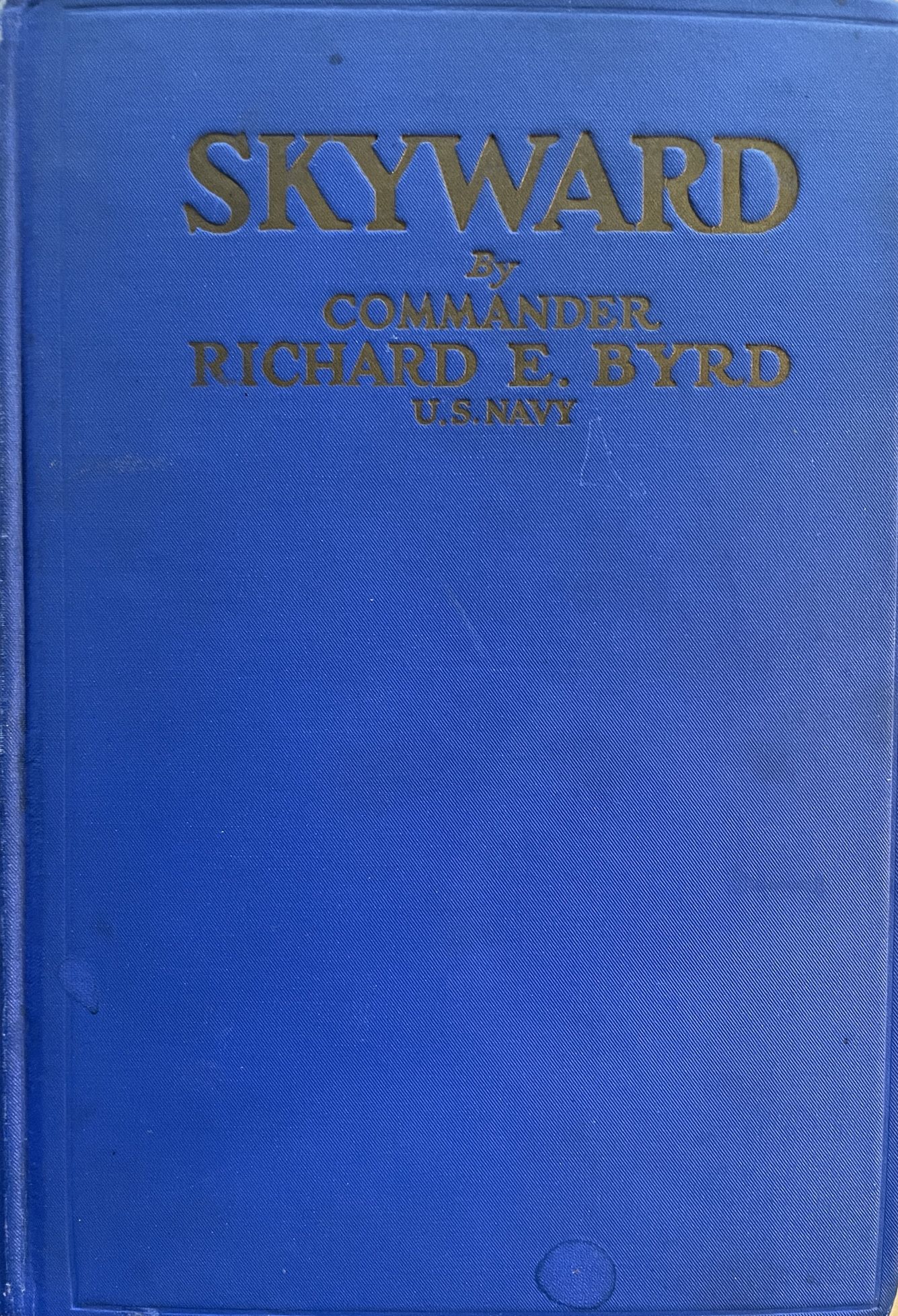

Skyward is not a book for everyone. But it offers a few fascinating nuggets of the development of aviation technology.
High Point: The first-hand accounts of so many impactful aviation developments.
Low Point: Portions of Byrd’s narrative do not travel well almost 100 years later. Some of his descriptions–new in 1928–are common knowledge in the 21st century.
Author: Richard E. Byrd
Publication Date: 1928
Genre: Aviation
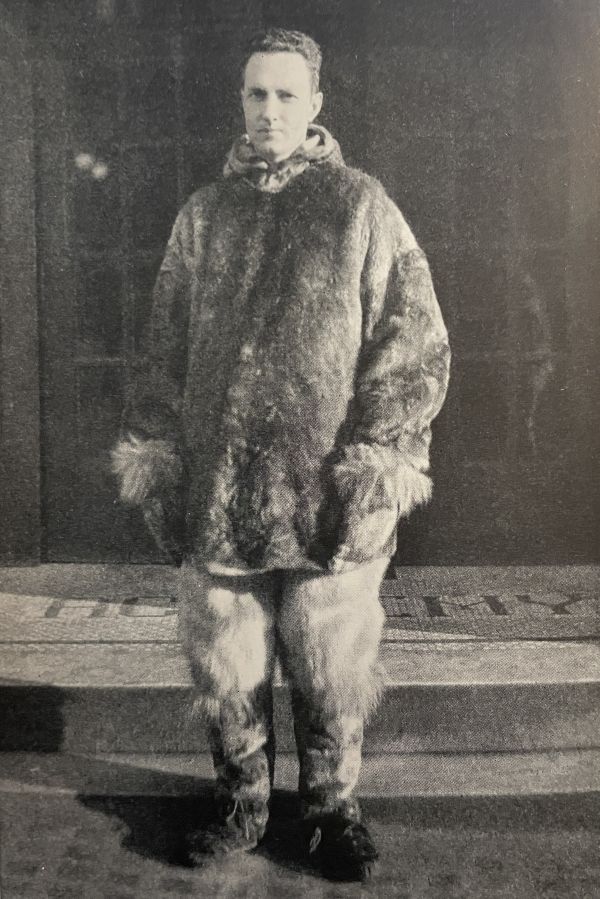
For aviation history buffs, U.S. Navy Commander Richard Byrd’s Skyward provides a rather interesting account of technology innovation from 1915 through 1928, the year the book was published.
Byrd was involved in a number of firsts and near-firsts during this incredible period of progress in aircraft, engines and navigation. He goes into detail that would likely hold the reader’s attention in 1928. But it doesn’t always travel well almost 100 years later.
In addition to his firsthand accounts of well-known incidents and achievements, I found three primary areas of interest.
In 1926, Byrd claimed to be the first to fly over the North Pole. But his claim came into question shortly after the flight took place. His critics maintained the flight time he logged was insufficient to cover the distance from his starting point to the Pole. At the time, some were accusing Byrd of faking his accomplishment. In the book, Byrd goes to some length to explain the processes he employed to have his flight logs and navigation verified by third parties. (As an aside, some modern scholars agree he probably did not reach the Pole, but they attribute it to an honest mistake based on the primitive navigation instruments available at the time.)
Second, his descriptions of the development of those navigation instruments exhibit an innovation that was characteristic of this period of aviation progress. He helped advance the technology he needed for his flights to the Poles and across the Atlantic. Although the instruments were still not perfected for those flights, they represented significant improvements that continued to be built upon through the 1930s.
And finally, he includes a chapter with his predictions for the future of aviation technology. His insight was uncanny in some areas, such as the eventual speed of aircraft. But he also missed a few, such as vastly underestimating the progress of improvements to engine reliability.
Skyward is not a book for everyone. But it offers a few fascinating nuggets of the development of aviation technology.
Oh, and one more thing. Byrd shares some of the vicious letters he received from people upset that he failed to beat Charles Lindbergh for the first New York to Paris flight. They had trolls in the 1920s, too.
Sources For This Book
Free eBook (Project Gutenberg): Not available
Free Audiobook (LibriVox): Not available
Available to Purchase: AbeBooks, Biblio, Thriftbooks
